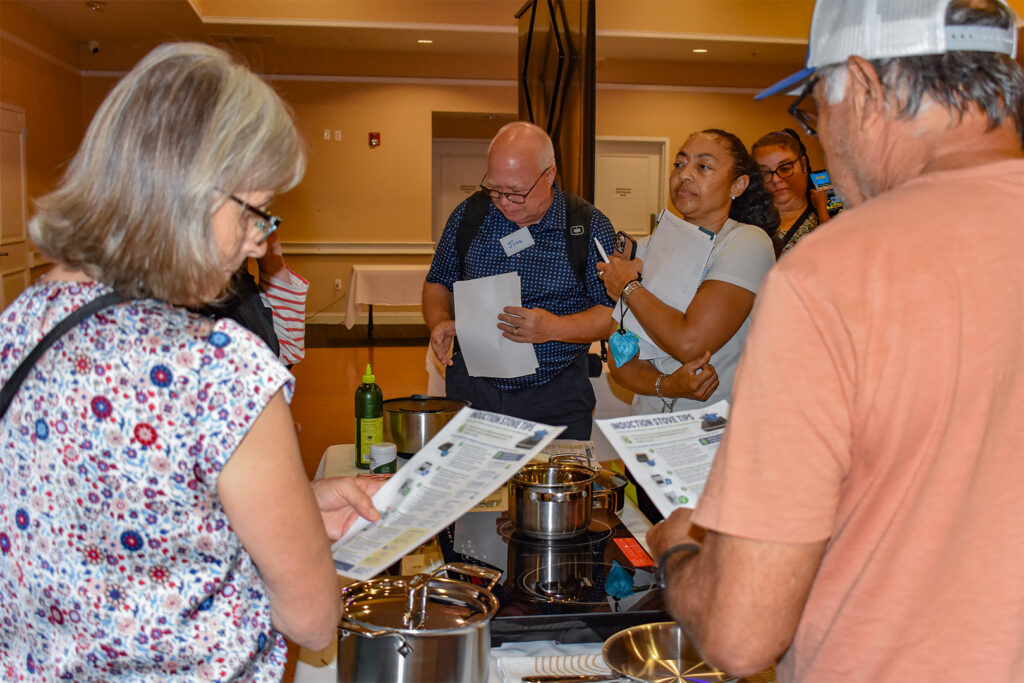
Before designing anything, we spent a year listening. More than 500 residents of Pittsburg, Antioch and surrounding communities took part, through surveys, community presentations, tabling at events across both cities, interviews with Family Child Care providers, and a community evening we called Healthy Homes Night.
What follows shaped every subsequent decision.
Nothing else came close. Utility bills were the most pressing concern in every channel we used, and they surfaced whether or not we asked about them.
Seventy-three percent of survey respondents reported financial hardship related to their energy bills. At Healthy Homes Night, 82% said utility costs affected them “quite a bit” or “a lot.” Not one person said they weren’t affected at all.
The strain shows up in behavior. Residents reporting hardship were significantly more likely to use portable electric heaters, fireplaces, and wood stoves, the choices that raise both costs and health risks. Any program serving these households has to address how energy is used, not just what equipment is installed.
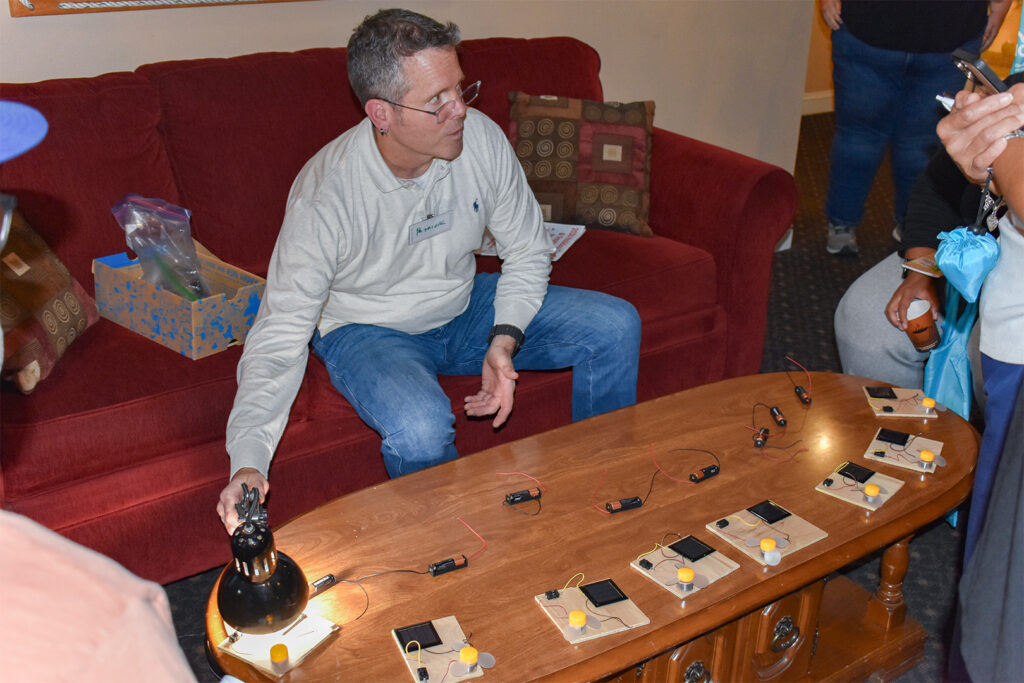
Asked to set aside cost savings and name what mattered most, residents at Healthy Homes Night ranked health first. Sixty-one percent expressed substantial concern about the air quality inside their own homes.
But awareness was uneven. Many residents didn’t know that gas appliances affect indoor air. Others knew and didn’t know what could be done about it. The exit cards from Healthy Homes Night were full of people describing what they had just learned.
“I now know that induction cooktops are better in your home because of CO₂.”
“Learning about environmental hazards.”
Households with an asthmatic member were measurably more open to replacing a gas stove than other households, evidence that health-centered messaging can move interest toward measures residents might otherwise resist.
When we asked whom residents would trust with a home improvement program, PG&E came first, and notably higher among households under financial strain. Community organizations and local government followed.
That finding cuts two ways. It tells us residents place real confidence in the utility, and it tells us a new program has to earn its standing rather than assume it. Throughout engagement, the single most common question was how this work differs from PG&E’s existing programs.
Trust was decisive in a different way for renters and immigrant households, some of whom were wary of unfamiliar assessors, contractors, and door-to-door outreach. Where our own member organizations were recognized, conversations opened more easily. That is not incidental to the model, it is the model.
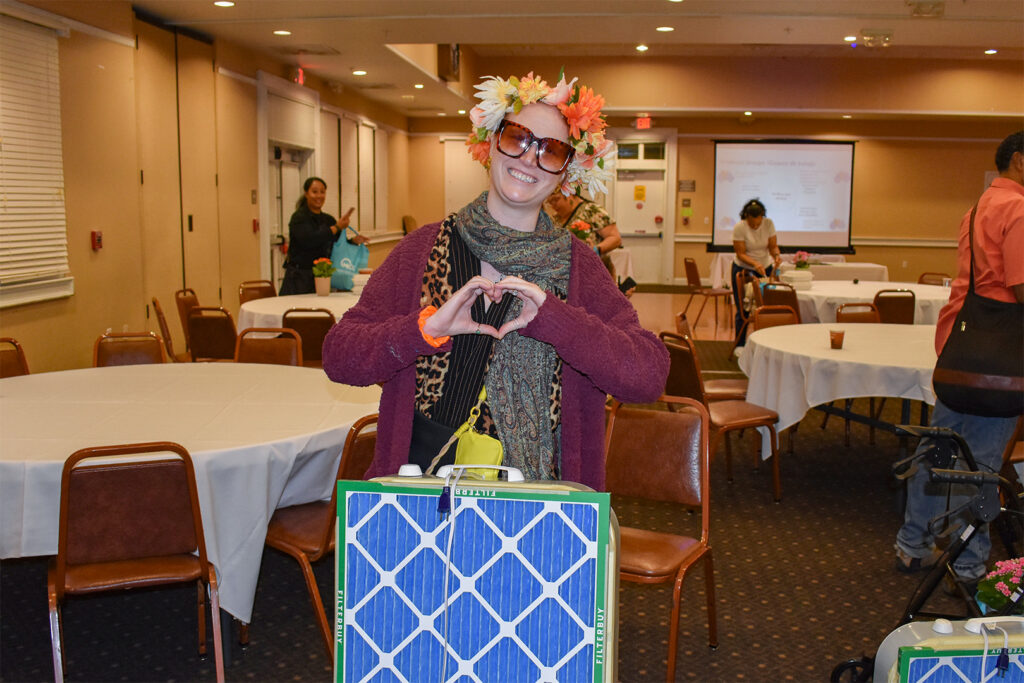
We interviewed providers at length and heard something consistent: a healthy home isn’t a set of building systems. It’s whether the children in your care can breathe.
“Health, asthma, and allergies, that’s what a healthy home means to me.”
“Love, safety, caring.”
Providers run a business, a caregiving space, and a family home in the same building. Their participation depends on predictable scheduling, minimal disruption to licensed care spaces, and delivery through organizations they already know.
Interest concentrated in water heating, solar, and heating and cooling. Heat pump water heaters were the highest-rated of the appliances we surveyed. Home repairs ranked high whenever we asked about them, a reminder that for many households, upgrades aren’t possible until something else gets fixed first.
Resistance was strongest around fireplaces and, secondarily, gas stoves, though that softened considerably among households sensitive to air quality.
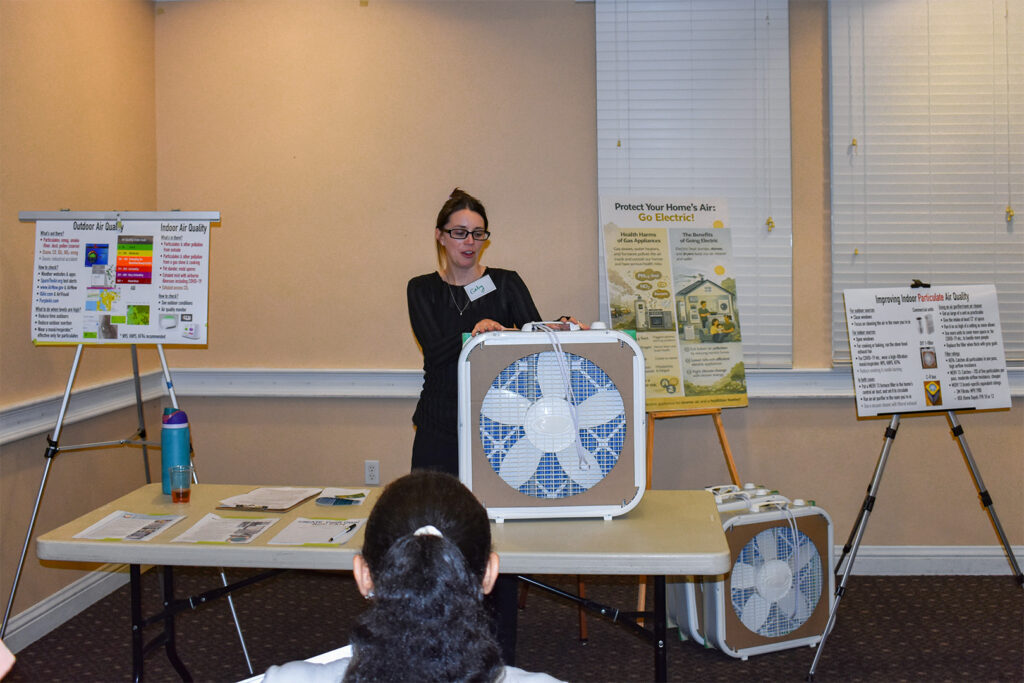
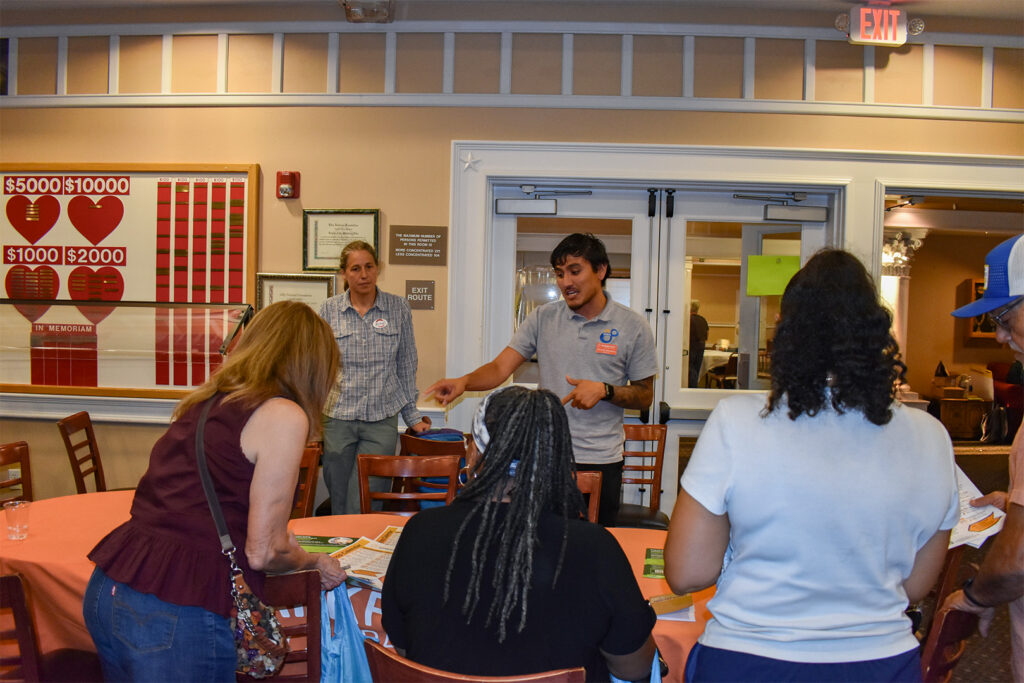
Healthy Homes Night ended with representatives from BayREN, the Equitable Building Decarbonization program, and MCE presenting directly to residents. Twenty-five people signed up for services that evening.
That is the model in miniature: trusted local organizations convene the room, existing programs meet residents where they already are, and someone follows up.
“We have options!”
Our planning-phase engagement taught us as much about how to ask as about what residents think. Technical terminology created barriers throughout, and we designed our instruments independently rather than in concert. Both are things we are carrying forward into implementation.
These findings shaped the Healthy Homes Hub’s design directly: the emphasis on water heating and cooking, the inclusion of repairs other programs won’t fund, the priority given to Family Child Care Homes, and the decision to place a trusted advisor alongside every household.